Home energy efficiency scores explained: what your score means and what it doesn't

Home energy efficiency scores explained: what your score means and what it doesn't
Last updated: April 2026
What an energy efficiency score is
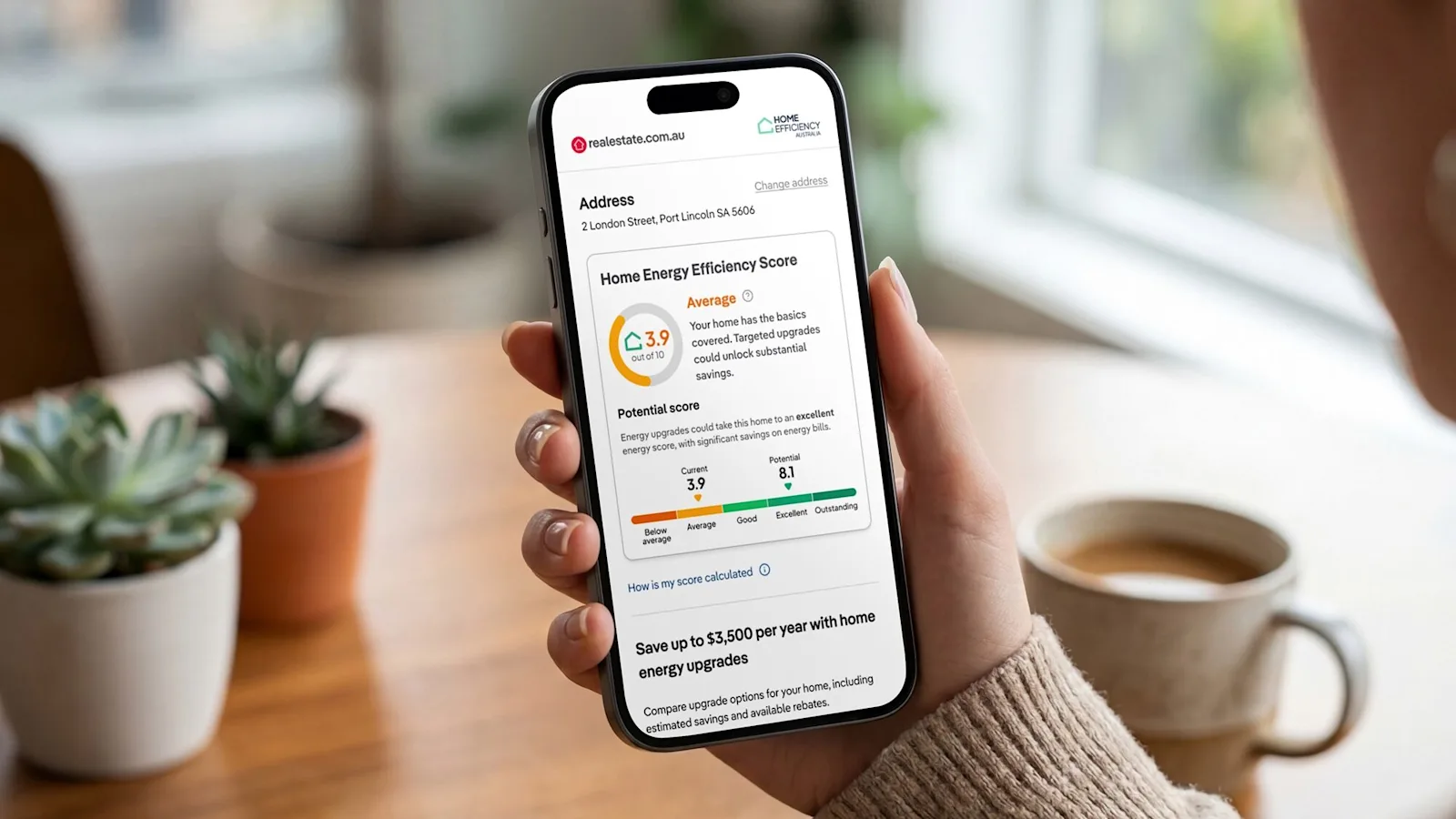
A home energy efficiency score is a numerical rating from 0 to 10 that estimates how energy-efficient your home is compared to others. It's standardized so you can compare homes directly — similar to how a fuel-efficiency rating works for cars.
The score is based on a modelled estimate of how much energy your home would use to maintain comfortable temperatures, not on your actual energy bills. Your real bills depend on how you use the home, what temperature you set your thermostat to, and your electricity tariff — factors the score deliberately doesn't include.
Score scale (0–10): The higher your score, the more energy-efficient your home's building envelope and systems are estimated to be. The specific factors that determine your score include your home's insulation, heating and cooling systems, hot water systems, windows, draught sealing, construction age, roof colour, and climate zone.
How the score is calculated
The HEA Energy Score uses a custom model developed by VALAI to estimate your home's energy efficiency.
The score is based on available data about your home, its location, and features that may affect energy use, comfort and efficiency. This includes property details, climate conditions, and whether your home may have features such as solar panels, insulation, or heating and cooling systems.
The model creates a standardised estimate so homes can be compared fairly. This means the same home should receive the same score regardless of who assesses it, because the calculation method is consistent.
Important: The score is a modelled estimate, not a physical inspection. It predicts energy use based on building characteristics, not on measured data from your home.
What your score means in practice
A score reflects your home's building envelope and systems, not your energy behaviour or tariff.
Example: Two homes with the same score of 5
Both homes have:
Similar insulation levels
Similar HVAC systems
Similar age and construction
But their actual energy bills might differ because:
Home A: Family of 5, keeps heating at 22°C, electricity tariff $0.38/kWh → bill $3,200/year
Home B: Couple, keeps heating at 20°C, electricity tariff $0.32/kWh → bill $2,100/year
The score (5) is the same. The actual bills are different.
What the score does NOT do
Important limitations to understand:
It does not predict your energy bill
The score estimates energy use in a model, not measured from your home. To predict your actual bill, you'd need:
Your specific electricity and gas tariffs
Your household size and preferences
Your actual thermostat settings
It does not account for solar or batteries
The score rates your home's building envelope and systems only. Solar generation and battery storage are benefits on top, not included in the score.
It does not predict payback periods for upgrades
The roadmap page shows that insulation typically pays back in 3–5 years and heat pumps in 4–6 years, but your payback depends on:
Your current electricity tariff
Your current heating/cooling system
Your climate zone
Available rebates in your state
It does not replace a professional energy audit
The score is a quick assessment tool. A professional energy assessor (accredited under NatHERS or the Residential Efficiency Scorecard) can:
Measure air leakage
Identify specific thermal bridges
Model star ratings for mortgage/loan purposes
Provide tailored upgrade recommendations
It does not measure actual energy consumption
It estimates energy needed to maintain comfort, based on average assumptions. Your real consumption depends entirely on how you use the home.
How it compares to other ratings
Energy Score (HEA model)
Scale: 0–10
Calculation: Custom VALAI model, ~50 building characteristics
Purpose: Quick baseline assessment, comparing homes
Cost: Free (online tool)
Time: ~10 minutes online
NatHERS Star Rating (0–10 stars)
Scale: 0–10 stars
Calculation: Standardised software model, specific Australian homes
Purpose: Building code compliance, mortgage/loan qualification
Cost: $300–600 for professional assessment
Time: ~1 hour site visit + assessment
Note: Used by banks and for new construction
Residential Efficiency Scorecard
Scale: Detailed report with recommendations
Calculation: Government-accredited assessor visits home
Purpose: Detailed audit, access to specific rebates
Cost: $200–400
Time: 1–2 hours on-site
Note: Professional, measured (not modelled)
Improving your score (and actually saving money)
Your score improves when you upgrade your home's building envelope and systems. But not all upgrades are equally cost-effective.
The best sequence is:
Insulation (envelope) — improves comfort + reduces heating/cooling load
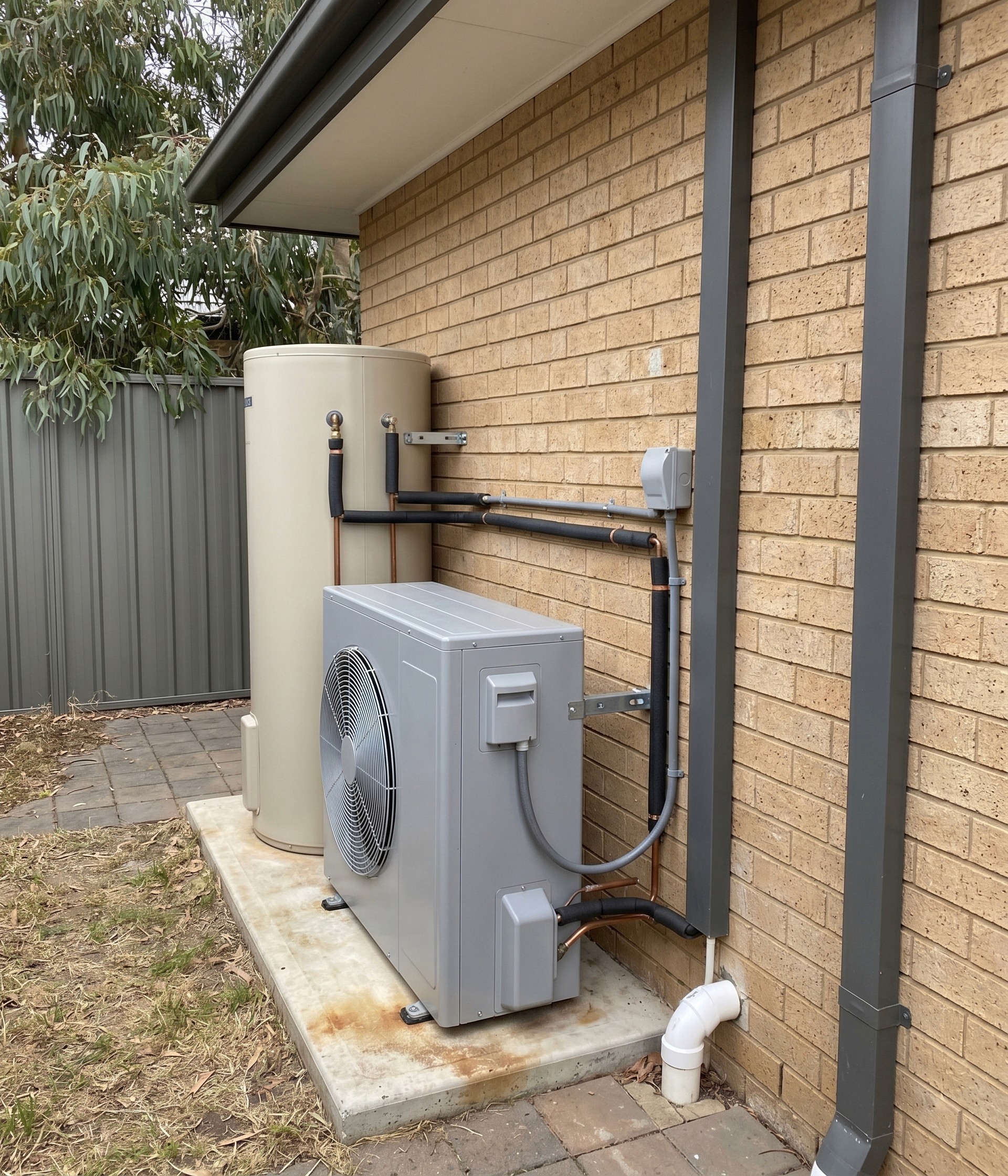
Heating/cooling systems (heat pumps, efficient gas) — replaces inefficient baseline
Hot water — typically 25% of household energy use
Appliances — replace old refrigerators, washers, etc.
Solar — generates own energy (but only after envelope is sealed)
For detailed payback data and a worked example, see the whole-of-home energy upgrade roadmap.
To understand insulation priorities by climate zone, see insulation R-values explained.
For heat pump options and costs, see heat pumps for Australian homes.
When to get a professional assessment
Get your score assessed online (HEA tool) when:
You want a quick, free baseline of your home's efficiency
You're curious how your home compares to others
You want general upgrade suggestions
Get a professional NatHERS assessment when:
You're buying or selling a home (lenders often require it)
You want a star rating for your mortgage application
You're building new and need code compliance verification
Get a professional energy audit (Residential Efficiency Scorecard) when:
You're planning major upgrades and want tailored recommendations
You want access to specific government rebate programs
You need measured data (not modelled) about your home's performance
You want to understand air leakage and thermal bridges in detail
What to read next
Whole-of-home energy upgrade roadmap — prioritised sequence of upgrades with payback data
Heat pumps for Australian homes — types, costs, and payback periods
Insulation R-values explained — what insulation you need by climate zone
Sources
HEA Energy Score Methodology (VALAI custom model)
NatHERS documentation (Australian Government)
Residential Efficiency Scorecard (Government-accredited assessment)
Tips and Tricks
Explore more guides to scale your business

Subscribe to our newsletter
Stay up to date on rebates, offers, and energy-saving tips By subscribing you agree to our Privacy Policy.